
Anúncios
An emergency fund acts as a financial safety net. It protects budgets from sudden shocks and debt reliance.
Start small with weekly micro-savings like $5 or $20. This builds a rainy day fund that grows over a year.
Keep emergency savings liquid and insured in an accessible account. This way, emergency cash is ready without costly penalties.
Aim for a savings cushion covering three to six months of essentials. Even $2,000 can boost short-term financial security.
Why prioritize an emergency fund before investing: it prevents using retirement accounts or credit cards for urgent needs.
Weekly habit examples: $5/week equals $260/year, $10/week equals $520/year, $20/week equals $1,040/year. This accelerates emergency savings growth.
Use a budget planner to understand your monthly must-pay expenses. Then, set a three- to six-month target for solid financial security.
Automate transfers on payday, gather loose change, and reuse paid-off loan payments. These steps help your rainy day fund grow quicker.
Differentiate between spending shocks and income shocks. Opt for cash management accounts for easy access and insured savings for safety.
Before using emergency cash, make sure the expense is truly an emergency. Avoid costly credit options, and refill the fund quickly.
Understanding the Concept: Old Way vs New Way of Financial Preparedness
Before, people used credit cards or retirement funds for unexpected costs. They would dip into 401(k)s or get high-rate loans for things like repairs or medical bills. This could lead to extra interest, penalties, and taxes that lasted longer than the crisis itself.
Using borrowed money could make a small problem a big debt. Taking money from retirement accounts hurt future growth and came with penalties. Credit card debt increased monthly bills and made financial security weaker.
Old Way: Relying on Credit and Retirement Accounts
People used to handle surprises by using credit, getting personal loans, or selling investments. These choices seemed fast but came with high costs. They had high interest, late fees, and hurt retirement savings, making it hard to recover.
New Way: Maintain a Dedicated Emergency Fund
Today, the focus is on keeping an emergency fund in a savings account, HISA, or cash management account. Start by saving $2,000 for emergencies. Then, aim to save three to six months of basic living expenses for bigger financial shocks.
Having an emergency fund stops you from using retirement savings and keeps borrowing costs low. Having this money in a separate account helps avoid spending it, and automatic savings make it easy to grow. Boost your savings with bonuses or tax refunds and refill the fund after you use it.
Key Differences at a Glance
Here’s a simple comparison of the old and new ways, showing how they differ in access, cost, and their effects on behavior. This can help you pick a strategy that betters your financial readiness and saves money for real emergencies.
| Aspect | Old Way: Credit/Retirement | New Way: Dedicated Emergency Fund |
|---|---|---|
| Access Speed | Fast but costly; may require loan approvals or penalties | Immediate access via savings, HISA, or cash management accounts |
| Cost | High interest, tax hits, early withdrawal penalties | Low cost; interest or yield can offset inflation modestly |
| Impact on Retirement | Reduces future retirement balance and growth | Preserves long-term investments for retirement goals |
| Behavioral Effect | Encourages repeated borrowing and higher debt levels | Automation and separation support disciplined saving |
| Recommended Size | Not applicable; debt replaces savings | $2,000 starter; three to six months of essential expenses for income loss |
| Best Account Types | Not relevant; depends on lender or tax rules | Savings, high-yield savings, cash management, money market funds |
Workflow: How to Build and Maintain an Emergency Fund
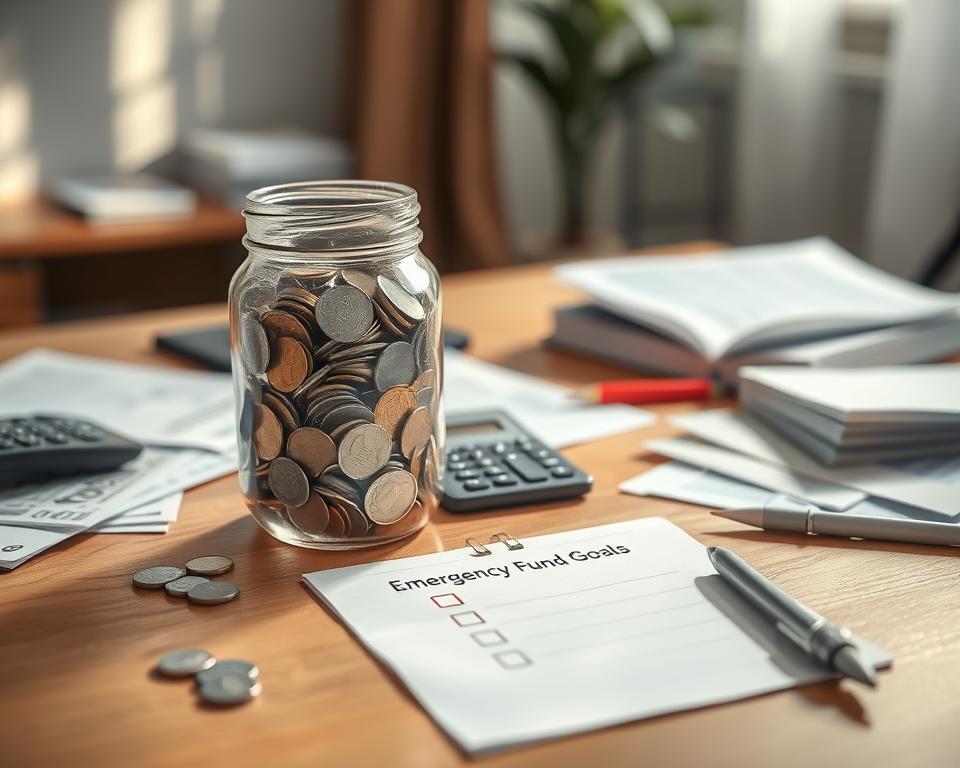
1) Start by figuring out your must-pay monthly expenses. Look through your bills and bank statements to find costs like rent, utilities, car payments, and groceries. Use a budget app or worksheet to see how much you need to save for emergencies.
2) Set your savings goal. Decide if you need a small buffer or a larger one to cover 3-6 months. Begin with a manageable goal, like $2,000, as you work towards more savings.
3) Pick the right account for your savings. Choose something like a high-interest account or cash management account for easy access. Think about using money market funds for a little extra income. CDs are good too, but only if you don’t need quick access to your cash.
4) Make saving automatic. Start automatic transfers to your savings around payday. Even small amounts, like $5 every week, add up. That’s $260 a year, and it can grow with interest.
5) Find places to save money. Look at your optional spending, like dining out or premium streaming services, and cut back. Use the extra cash to grow your emergency fund faster and be better prepared financially.
6) Boost your fund with extra cash. Put tax returns, gifts, or any extra money you get into your emergency fund. This helps you reach your goal quicker without affecting your regular budget.
7) Know what counts as an emergency. Only use the fund for big, unexpected costs. This keeps you from spending it on things you want but don’t need. It’s better to use this money than to rely on expensive loans in emergencies.
8) Refill the fund when you use it and check it often. Replace any money you take out quickly. Review your savings goal when big life events happen. Regular checks help you keep up with your changing needs and stay ready for the future.
Key Options: Compare Accounts and Solutions
Where you keep your emergency cash matters. It’s about speed of access and your desired return. A high-interest savings account is a top choice. It gives quick access, FDIC insurance, and better yields than regular savings. This setup keeps spending temptation low and money ready for emergencies.
A cash management account is another short-term option. Companies like Vanguard and Fidelity offer these. They mix banking and investment features. Some offer more FDIC insurance through partner banks, others use brokerage protections.
A money market fund is safe, easy to get to, and might earn more than savings. Remember to check if it’s FDIC-insured or has SIPC coverage. Understanding its structure is crucial before putting your emergency cash in.
Certificates of deposit offer higher yields but lock up your cash. They’re good if you won’t need immediate cash access. Pulling out money early can lead to penalties.
Having a separate savings account just for emergencies is smart. It keeps your money safe and out of reach for daily expenses. This method makes tracking funds simpler and less tempting to spend.
Choose based on how quickly you might need your money. For quick needs, consider a high-interest savings, cash management account, or money market fund. If you can wait, explore longer-term options. Always check for FDIC or SIPC safeguards and read terms closely before investing.
| Name | Role | Main Benefit |
|---|---|---|
| High-Interest Savings Account (HISA) | Primary holding place for emergency savings | Easy access plus higher interest than standard savings; insured and reduces temptation to spend |
| Cash Management Account | Alternate short-term place to keep cash with potential higher yields | Better yields and integrated cash/investment management with quick access |
| Money Market Fund | Low-risk investment for short-term cash needs | Potentially higher income than savings accounts with low risk and liquidity |
| Certificate of Deposit (CD) | Short-term fixed-rate vehicle for idle emergency cash | Higher fixed yield if you can lock funds for the term; not ideal if immediate access is required |
| Separate Savings Account (simple) | Dedicated emergency cash bucket | Psychological separation from spending account; reduces temptation and improves tracking |
Efficiency: Advantages Backed by Data and Practical Tips
An emergency fund is your financial safety cushion. It keeps you secure without needing credit for sudden bills. By saving a little regularly, you can build it up and lessen worry if your income drops.
Quantified Savings Examples
Saving a bit every week can quickly give you a financial buffer. With just $5 a week, you save $260 in a year. Saving $10 weekly doubles that amount. And $20 each week gets you over a thousand dollars saved.
According to Vanguard, having $2,000 saved up can really up your peace of mind and serve as a vital financial safety net. By calculating your spending carefully, you can figure out how much you need to save to protect yourself in emergencies.
Behavioral and Structural Efficiencies
Make saving easier by automating it. Setting up automatic transfers for each payday ensures you save without even thinking about it. Both payroll allotments and bank transfers are great options.
It’s wise to keep your emergency fund separate so you’re not tempted to spend it. Apps and tools like Scotia Smart Money can help find extra cash in your budget to boost your savings.
Risk Reduction and Cost Savings
With a dedicated savings fund, you don’t have to rely on expensive credit options. This saves you from high interest costs and keeps your credit score healthy.
This safety net also means you don’t have to dip into your investments prematurely. It saves you from losing money on sales at bad times and can prevent tax penalties from early withdrawals.
Practical Efficiency Tips
Direct any money from paid-off loans or ended subscriptions into your emergency fund to make it grow faster. Also, consider using unexpected money, like tax refunds, to reach a solid savings goal quicker.
Reevaluate your savings goals after big life changes like buying a house or having a baby. If money’s tight, begin with a small amount, like $25 a month, and increase it as your financial situation gets better.
| Action | Estimated Annual Impact | Primary Benefit |
|---|---|---|
| Save $5/week | $260 | Starter buffer for minor unexpected expenses |
| Save $20/week | $1,040 | Meaningful emergency savings acceleration |
| One-time $2,000 deposit (Vanguard benchmark) | $2,000 | Immediate improvement in financial security |
| Automate transfers on payday | Varies by income | Consistency, reduced decision fatigue |
| Redirect loan payoff savings | Depends on monthly payment | Speeds fund growth without cutting living standards |
Summary: Prioritize Emergency Savings Before Investing
First, build an emergency fund before putting money into the market. This fund is key for keeping your finances secure. It stops you from having to pull money from long-term investments or using credit in emergencies. Aim to save three to six months of essential expenses. Also, start with a $2,000 fund for urgent needs.
It’s best to keep your emergency fund in places like insured high-yield savings accounts or money market funds. This makes sure your money is both accessible and safe. Set up automatic deposits to grow your fund. Use tools to figure out how much you need each month. And, put extra money like bonuses into your emergency fund. Always remember, this fund is for true emergencies only.
Having money set aside lowers the need to borrow and keeps your investments safe. Rebuild the fund if you have to use it. Also, adjust the amount you save as your financial situation changes. In essence, an emergency fund is a vital safety net for smart investing.