
Anúncios
The growth of electric vehicles (EVs) worldwide is creating a big need for trusty charging cables. The International Energy Agency (IEA) predicts a big jump in EVs by 2030.
Most drivers in the U.S. prefer charging their EVs at home. So, having a strong and long charging cable makes life easier and safer.
It’s important to choose the right connector type, like Type 1/J1772, Type 2, CCS, or NACS. This choice can prevent many charging problems.
If you have a portable charging cable, get a case and management tools for it. This way, you can keep it safe when you’re on the move or charging outside your home.
Using a Level 2 charger at home is the best choice for everyday charging. And a sturdy charging cable is a key part of this setup.
When picking a cable, you can choose lengths from 20 to 40 feet. This helps with parking in different spots, especially in tight spaces.
Always check the cable’s electrical specs, make sure it’s certified, and see if it comes from a reputable brand. Auxus Co., Ltd., for example, puts a lot of effort into research and quality for EV cables.
For those who need to charge while traveling, pick a portable charging cable that can handle different voltages and is waterproof.
Understanding the Concept: Old Way vs New Way of EV Charging
Early EV charging used basic 120V outlets and scattered public chargers. This often led to connect problems between different plug types. This caused a lot of failed charges and stress at public stations.
At home, charging cables were short and made for one car type. These cables weren’t made to handle bad weather or to be taken on the go. People hardly had a long or tough cable for cold weather or emergencies.
Now, there’s a move to common plugs like CCS and NACS/J3400 in North America and Europe. Public fast-charging stations are becoming more common. This makes charging away from home more reliable. Fleet operators and drivers are benefiting from this expanded network.
These days, most charging is done at home, accounting for about 80% of all charging. Level 2, 240V setups are common. Adapters and cords that work with both voltages let people charge at many places without needing new electric work.
Cables are better now to meet user needs. New fast charging cables have strong connectors and are waterproof. Tesla, ChargePoint, and Electrify America offer extra items like adapters and portable power.
Adapters help users switch between plug types easily. NACS-to-CCS and J1772-to-NACS adapters make it easy to use different charging networks. These accessories lower the number of charging problems that used to be common.
Today, it’s easier to find a long charging cable. People can choose longer cables for street parking, shared spots, or work charging. A long, quality cable and EVSE make installation easier and charging more flexible.
The comparison between old and new shows how much charging tech has improved. The ease of charging, durability of cables, and the availability of adapters make EV charging better for owners now.
charging cable: What Every EV Owner Must Know
Picking the right charging cable may impact your daily routine and how much you spend. This guide simplifies the process. It covers connector types, key electrical specs, and safety measures. This way, you can choose a cable that fits both your car and your lifestyle well.
Types of charging cable connectors and regional relevance
In North America, older models often use the Type 1 (J1772) connector for Level 2 charging. European cars usually have the Type 2 plug for both public and home use. The CCS connector is becoming popular for quick DC charges in the U.S. and Europe.
Tesla’s NACS/J3400 connector is becoming more common in North America. Many car makers now offer adapters for Tesla stations. Ensure the adapter fits your car. It’s wise to choose certified adapters from reliable vendors like Lectron or A2Z to avoid any problems.
Key electrical specs to compare
Amperage affects how fast your car charges. You’ll find cables from 16A to 63A, with the portable ones between 16A and 40A. For Level 2 home charging, using up to 240V, getting a cable of 32A or 40A can cut down charging time significantly.
The length of a cable also plays a role. Longer ones offer more parking options but are heavier and more expensive. However, the Department of Energy points out that longer cables can be very useful, even though they’re more cumbersome to handle and store.
Safety and certification checkpoints
Choose cables that are UL or ETL listed, RoHS compliant, and approved for your region. Look out for thermal sensors, sturdy connectors, and IP66-rated jackets. These prevent overheating and wear, making your cable last.
Adapters need to be certified by trustworthy manufacturers. CHAdeMO adapters are rare and expensive, so check if you really need one. Accessories like carrying cases or cable organizers can extend your cable’s life. They also make it safer by preventing trips and keeping it protected.
| Topic | Typical Range or Example | Practical Tip |
|---|---|---|
| Connector Types | Type 1 (J1772), Type 2, CCS, NACS | Match plug to vehicle or buy certified adapter |
| Amperage | 16A–63A; portable 16A–40A | Choose 32A+ for faster overnight charging |
| Voltage | Level 2 ~240V | Verify home circuit supports chosen amperage |
| Cable Length | 10–40 ft | Balance reach with weight and storage needs |
| Certifications & Safety | UL, ETL, RoHS, IP ratings | Prefer cables with thermal sensors and reinforced plugs |
| Accessories | Cases, organizers, smart timers, adapters | Use branded accessories from automakers or known vendors |
Workflow for Selecting and Using a Charging Cable
First, know your vehicle’s inlet type. Find out if it’s J1772 (Type 1), Type 2, CCS, NACS/J3400, or CHAdeMO. This step stops you from buying the wrong cable, a common mistake for over 30% of users.
Next, figure out how much power you need. For everyday charging at home, go for Level 2 with 240V. Choose the amperage carefully, like 16A, 32A, or 40A. For charging on the move, pick a dual-voltage cable or one that pairs with portable power stations.
Then, consider the cable’s build and features. Look for IP-rated materials like IP66, and options that handle cold well, like TPE or TPU. Check for strong construction, thermal sensors, and resistance to sun damage if you’ll use it outside.
Think about extras and how you’ll store the cable. Handy accessories include carrying cases and retractors. If you need more length, there are extension options between 20–40 ft. Proper setup keeps the cable safe and minimizes tripping.
Last, check the cable’s certifications and your installation needs. Pick products that are UL- or ETL-certified. Look for discounts on adapters from your car’s maker. For some setups, like Level 2 chargers, you might need a professional electrician.
The quick checklist below helps compare common choices at a glance.
| Decision Point | What to Check | Recommended Outcome |
|---|---|---|
| Connector Type | Vehicle inlet standard (J1772, Type 2, CCS, NACS, CHAdeMO) | Match plug to inlet; buy adapter only if certified |
| Charge Level & Amperage | Home vs. travel needs; desired charge speed (16A–40A) | Level 2, 240V for home; 32A common balance of speed and cost |
| Durability Features | IP rating, insulation type, strain relief, UV and cold resistance | IP66 jacket, TPE/TPU insulation, reinforced ends for outdoor use |
| Portability & Length | Need to haul cable often; required reach (short vs. long) | Choose a portable charging cable for travel; select a long charging cable when reach matters |
| Accessories & Management | Cases, retractors, covers, extension cables | Invest in cable management to extend life and reduce hazards |
| Certifications & Warranty | UL/ETL marks, warranty terms, OEM compatibility | Prioritize certified products and clear warranty coverage |
| Budget | Upfront cost vs. lifespan and features | Look for an affordable charging cable that meets safety and durability needs |
Follow this guide to find the right cable for home, travel, or both. The perfect cable saves you time and keeps your vehicle safe. Whether you need something cost-effective for everyday use or something durable for different parking spots, the right choice matters.
Key Options: Comparison of Charging Cable Products
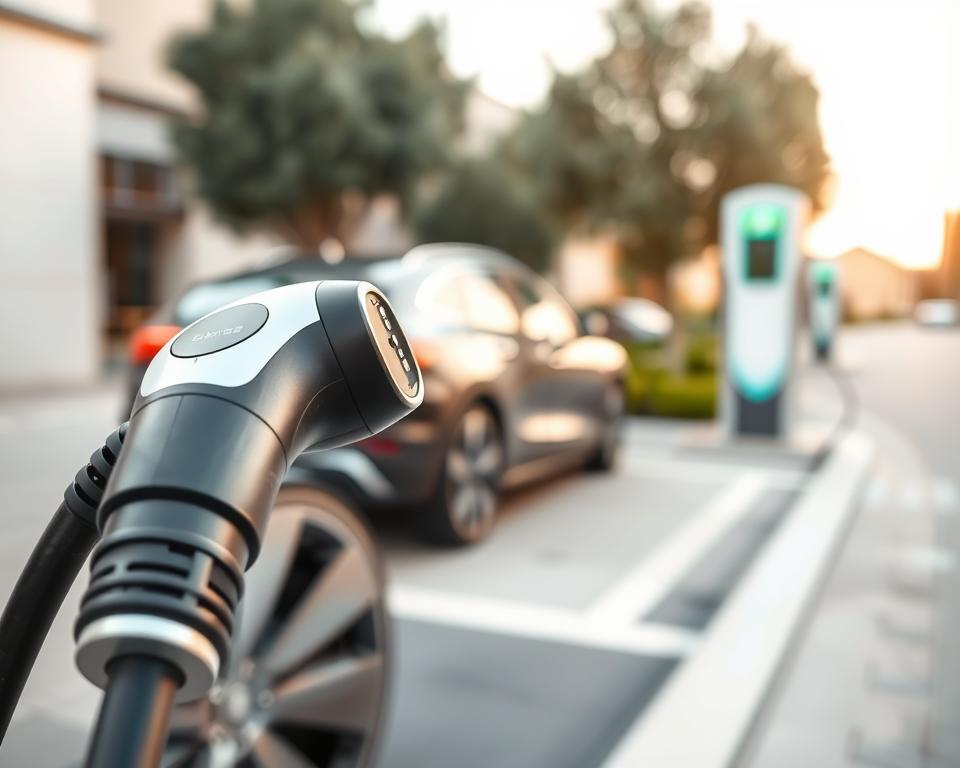
When picking the perfect charging cable, think about your daily routine, travel needs, and wallet. A dual voltage cable offers flexibility for both Level 1 and Level 2 outlets in emergencies. Most are priced below $500, making them great for day-to-day use and as travel must-haves.
If you want fast charging at home, look at cables designed for 32A or 40A. These speed up your overnight charging by supporting more amperage. This means you can add more range to your car overnight, making it ready by morning.
Adapters like the NACS/J3400 make it easy to connect Tesla-style ports with CCS and J1772 networks. Companies like Lectron and A2Z have adapters that let you use more public stations. Usually, these adapters cost less than $200.
If you’re outside a lot, get a charging cable that can handle the outdoors with an IP66 jacket. These cables withstand UV rays, moisture, and temperature changes. They also have reinforced connectors and thermal protection, making them last longer in tough weather.
For those who use portable power stations, there are special cables compatible with brands like EcoFlow and Anker. They offer quick charges during trips or power outages. These are especially useful for camping or emergencies, though some high-capacity stations might cost over $2,000.
| Name | Role | Main Benefit |
|---|---|---|
| Dual Voltage Portable Cable (NEMA 5-15 / NEMA 14-50) | Portable emergency and everyday Level 1/2 charging | Versatility to use 120V or 240V outlets; ideal backup when no Level 2 charger is available; many options under $500 |
| High-Speed Level 2 32A/40A Cable | Primary home charging cable for faster Level 2 sessions | Reduces overnight charge time with higher amperage support (example: up to ~25 miles/hr at Level 2 depending on vehicle) |
| NACS/J3400 Adapter | Adapter between Tesla-style ports and CCS/J1772 | Expands access to charging networks as NACS adoption grows; many adapters under $200 for CCS-to-NACS, and J1772-to-NACS under $100 |
| Durable Outdoor Cable with IP66 Jacket | Weatherproof daily-use cable | Longer lifespan in extreme climates; UV and moisture-resistant; reinforced connectors and thermal protection |
| Portable Power Station-Compatible Cable | Emergency charging with portable power stations | Provides limited range top-ups during road trips or outages; compatible with EcoFlow, Anker portable stations; useful for camping/backups |
Choosing the right cable means looking at what fits your life best. Fast cables are great for quick fills every day. A tough cable is perfect for dealing with bad weather or lots of use in public places. Portable ones help when you can’t find a charge station.
Think about costs and whether the cable works with your car. Look at how much power it can handle, what kind of plug it has, and the warranty. This way, you can pick the best cable for your car and how you live.
Key Features to Evaluate in Fast charging cable and high-speed charging cable
Choosing the right cable is vital for quick and safe charging. It should match your needs in performance, durability, and ease of carrying. Consider things like a fast charging cable, high-speed charging cable, or long charging cable for your gadgets.
Charging performance and amperage handling
Pick a cable that fits your car and home electric setup. At home, cables usually support 32A or 40A, boosting charge speed. On the go, cables vary from 16A to 40A. Some setups even go up to 63A. But remember, fast charging speeds also depend on the charge station and your car’s capabilities.
Durability and construction materials
Look for tough materials like TPE, TPU, or silicone that stand up to weather and cold. Features like reinforced parts and thermal protection improve durability and safety. Also, certification marks like UL, ETL, RoHS, and FCC ensure the cable meets high standards.
Portability and storage features
Think about how easy the cable is to carry and store. Options range from lightweight and foldable to longer cables for more flexibility. Also, water-resistant ratings and extra accessories can make outdoor charging easier and safer.
Underneath, find a simple guide showing key differences among popular cable choices.
| Feature | Best for Home Use | Best for Portability | Best for Flexibility |
|---|---|---|---|
| Common amperage | 32A–40A | 16A–32A | 32A–40A |
| Typical jacket material | TPE or TPU | Reinforced silicone or TPU | TPE with strain relief |
| Weight | Heavier — stable | Lightweight — easier to carry | Moderate — balance of both |
| Length options | 16–25 ft | 10–20 ft | 20–40 ft (long charging cable) |
| Protection features | Thermal cutoffs, certifications | Cases, retractors | IP ratings, port covers |
| Accessory compatibility | Wall boxes, EVSEs | Portable EVSE, adapters | Extension cords, adapters |
When choosing a cable, consult spec sheets from trusted brands like ChargePoint, Lectron, or Tesla. Detailed specs on amperage, IP rating, and accessories are crucial. Also, think about added protection and carrying solutions. The right USB charging cable ensures your devices stay charged during your electric car’s charge time.
Evaluating Durability: Data-Backed Advantages
Studies by the Electric Power Research Institute found that tough connectors and weather-proof covers make charging cables last longer. Cables with TPE, TPU, or reinforced silicone jackets handle UV light, water, and scrapes way better than regular rubber ones.
Heat sensors and strong strain relief lower the chance of failure by dealing with heat and bending less harshly. Picking a sturdy charging cable means less downtime and saving money on replacements during its lifetime.
Using the right accessories can make cables last longer. For example, J1772 extensions that are IP66-rated stop overheating and work well in lengths of 20–40 ft at up to 40A.
However, use extensions only when needed. More connections mean more chances for problems. So, keep them to a minimum for safety’s sake.
Storing your cable correctly can prevent damage. Items like carrying cases, retractors, and garage protectors prevent knots and protect connectors. This helps the cable stay in good shape longer.
Going for certified cables from trusted companies like Lectron, Auxus Co., Ltd., and A2Z means getting consistent quality and support if something goes wrong. OEM options often have the best support over time.
| Factor | Durable Charging Cable | Long Charging Cable | Affordable Charging Cable |
|---|---|---|---|
| Material | TPE/TPU or reinforced silicone; UV and moisture resistant | Heavier-gauge conductors; reinforced jacket for 20–40 ft runs | Sufficient insulation; may lack advanced sheathing |
| Connector Design | Reinforced strain relief and sealed connectors | Robust connectors with thermal protection for extended length | Standard connectors; check certification before purchase |
| Safety Features | Thermal sensors and IP-rated protection | Overheating protection for continuous high current | Basic overload protection; verify specs |
| Maintenance | Low with proper storage and occasional inspection | Moderate; more care needed due to length and handling | Higher replacement risk without careful use |
| Best Use | Daily home and public charging where longevity matters | Driveway-to-garage or distant charging points needing reach | Budget setups or backup charging needs |
| Supplier Recommendation | Certified brands and OEM options for warranty support | IP-rated extensions from reputable makers like Lectron | Certified entry-level models from trusted vendors |
Where to Buy: Trusted Suppliers and Retail Channels
Start your search for the right charging cable with trusted makers. Ford, Chevrolet, and Tesla are good options. They sell cables and adapters with warranties. Always check the manufacturer’s offers for deals, especially if you own their car.
Lectron and A2Z are great choices for aftermarket needs. They offer certified cables and adapters. Make sure to check for UL or ETL listings, IP ratings, and positive customer feedback. These signs show the product is reliable and long-lasting.
Online shops offer a wide variety of cables from different sellers. Focus on products with the right certifications, good return policies, and lots of positive reviews. This strategy helps find a good cable that’s also safe and affordable.
Local experts and stores can help you choose the right Level 2 charging unit. They’ll give advice on the best cable length and amperage. Getting help from a pro makes installation safer and easier.
For those buying in bulk, companies like Auxus Co., Ltd. are ready to help. They offer custom design and production for charging cables. This option is best for large orders or specific needs.
Adapters and special parts are available from car makers and other manufacturers. Lectron and A2Z are known for these items. Keep in mind, CHAdeMO adapters might be expensive. But, NACS-to-CCS adapters are usually under $200 and more budget-friendly.
Consider warranty, certification, and the service after the sale when choosing. A certified cable from a trusted seller is a smart choice. It saves time and money in the long run. Pick sellers with clear information and good customer service.
Accessory Ecosystem: Portable charging cable solutions and complementary gear
EV owners add more value by seeing charging cables as part of a bigger accessory set. This should include a portable charging cable, some essential adapters, and ways to keep everything organized. This kit makes it easier and less worrying to charge your vehicle away from home. It’s also handy to have a USB charging cable for your phone and tablet during long waits or outdoor adventures.
Portable chargers and power stations
Brands like EcoFlow and Anker offer portable power stations with 120V/240V output. These can store a lot of power for quick charges on the road or as a backup at home. They work well with your charging cable when there’s no Level 2 or DC fast charger around.
Cable management and protection
Proper cable management cuts down on wear and increases safety. Using cases, clips, and garage covers keeps your charging cable neat. It also protects the connectors from getting dirty or wet. You can find affordable cable protectors and garage covers that prevent damage and minimize tripping hazards.
Adapters and V2L accessories
With the right adapters, you can plug into more types of charging stations. Options like NACS-to-CCS and J1772-to-NACS adapters are affordable and increase your charging possibilities. Vehicle-to-load (V2L) accessories can power up tools or camping equipment with about 3.6 kW of output. These are useful both for everyday needs and in emergencies.
Extension and heavy-duty options
If you need an extension, go for products designed for outdoor use that can handle lots of power without overheating. It’s best to keep connections simple for safety. If you travel a lot, choose a charging cable that’s tough enough to handle rough conditions.
What to pack
- Portable charging cable sized for common public chargers
- Small USB charging cable for devices
- Cable organizer or hard case to prevent kinks
- Relevant adapters for regional plug standards
- Optional portable power station for remote stops
Picking the right kit simplifies charging on the go. Focus on getting a strong charging cable and trustworthy adapters. This plan helps avoid unexpected problems, keeping your trips smooth.
Final Summary
Electric vehicles are quickly becoming more popular, expected to hit 145 million by 2030. It’s crucial to pick the right charging cable to match your car’s inlet—J1772/Type 1, Type 2, CCS, or NACS/J3400. This avoids the common issue of compatibility problems. For those in the U.S. charging at home, a durable Level 2 cable that handles 32A–40A at 240V or a quick-charging option is your best choice. It offers a nice mix of speedy charging and convenience.
When selecting a cable, don’t forget about durability and safety. Look for certificates like UL/ETL, RoHS, and REACH. Also, cables should have weather-proof jackets made of TPE or TPU, IP ratings, strong connectors, and heat protection. Handy extras such as carrying cases, retractors, waterproof covers, and trusted adapters from brands like Lectron or A2Z make everyday use and travel more reliable. Plus, having portable chargers and power stations ensures you’re ready for any trip or power shortage.
Always buy from places you trust—either the car’s original manufacturer, trusted aftermarket brands, or certified resellers. Ensure they offer good warranties and check any setup needs. This is important if you’re looking for something specific, such as a long cable for reaching from driveway to street, an affordable option, or even a USB cable for smaller devices. Companies like Auxus Co., Ltd. might have just what you need for custom or fleet solutions.
Here’s what to remember: choose a charging cable that fits your car and meets your power needs. Make sure it’s made from materials that can handle the weather. Also, buy from suppliers you can trust, those that offer clear info on certification and warranty. This way, you’ll ensure safety, durability, and ease of use. It also prepares you for the increasing number of electric vehicles on the road.