
Anúncios
Get ready for the 2026 FIFA World Cup, set in Canada, Mexico, and the USA.
This event will feature 48 teams and introduce new formats. It will be held across 16 cities.
As a fan, you’ll watch games from Atlanta to Vancouver. Look out for big matches at SoFi and MetLife Stadiums.
Anúncios
Expect to see efforts in sustainability, innovative FIFA ID ticketing, and local hospitality in cities like Miami and LA.
From June 11–July 19, 2026, enjoy 104 matches. It’s a longer tournament that welcomes more fans worldwide.
Canada, Mexico, and the US will play automatically. Teams from countries like Argentina and Brazil will join, including first-timers Cape Verde.
Be excited for the schedule—group stages, a round of 32, and knockout rounds. It all ends at MetLife Stadium in East Rutherford.
Look into local plans for fan zones and travel. It will enhance your experience at this North American soccer fest.
The Global Passion for Football
Anúncios
When world cup matches happen, you feel the thrill as if they were local games. The players’ skill and passion unite fans across the globe. Everyone checks the rankings to see how their country might do.
Teams from six confederations fight to make it. With 48 teams now playing, newcomers and legends like Argentina and Brazil join in. This makes everyone feel a part of the global soccer family.
Host cities turn matches into big parties. Places like Los Angeles and Miami welcome visitors with special events. You plan your trips around getting tickets and signing up for FIFA IDs.
How teams are grouped and who they play first comes from world cup ranks. In December, teams get sorted, affecting games and stories. You watch how this setup creates exciting group matches.
Getting to the tournament is hard. Teams go through regional games and playoffs. Debut teams like Cape Verde highlight the world cup’s reach.
| Aspect | Why It Matters to You | What to Watch |
|---|---|---|
| Draw & Seeding | Shapes early opponents and travel plans | Pot placements, confederation protections, and ranked seeds |
| Qualification Paths | Determines which world cup teams earn spots | Regional qualifiers, intercontinental playoffs, final six-team playoff |
| Ticket Access | Controls your chance to attend world cup matches | FIFA ID registration, presales, visa presale windows, general sale |
| Host City Programs | Enhances fan experience beyond the pitch | Community ambassadors, fan festivals, cultural events |
| Ranking Impact | Influences seedings and public expectations | FIFA world cup rankings after qualifiers and friendlies |
The Rich History of the World Cup
This tournament started in 1930. It became the top event in soccer. The FIFA World Cup has grown into a big show that shapes how we see football.
It started traditions we follow now. Countries like Mexico and the U.S. changed how big events are done. Mexico was first to host three men’s World Cups for 2026. The U.S., Canada, and Mexico will share the 2026 event.
Big changes happened in the format. In 1998, the teams increased to 32. For 2026, it will jump to 48 teams. This was sparked by big names and led to lots of talks.
These talks looked at how growth affects quality. Some worried more teams meant less intense matches and tired players. Plans for 16 groups of three were scrapped for twelve groups of four to stay fair.
Choosing hosts brings its drama. Picking Qatar for 2022 and the North American bid for 2026 showed strategic moves. This affects where games are played and impacts future choices.
Great champions become legends here. Their tactics, fans, and pride leave a lasting mark. This is why the World Cup is the most watched soccer event.
Its history shapes our view of its future. Changes keep the World Cup at the heart of sports talk worldwide.
The Impact of National Pride on the Event
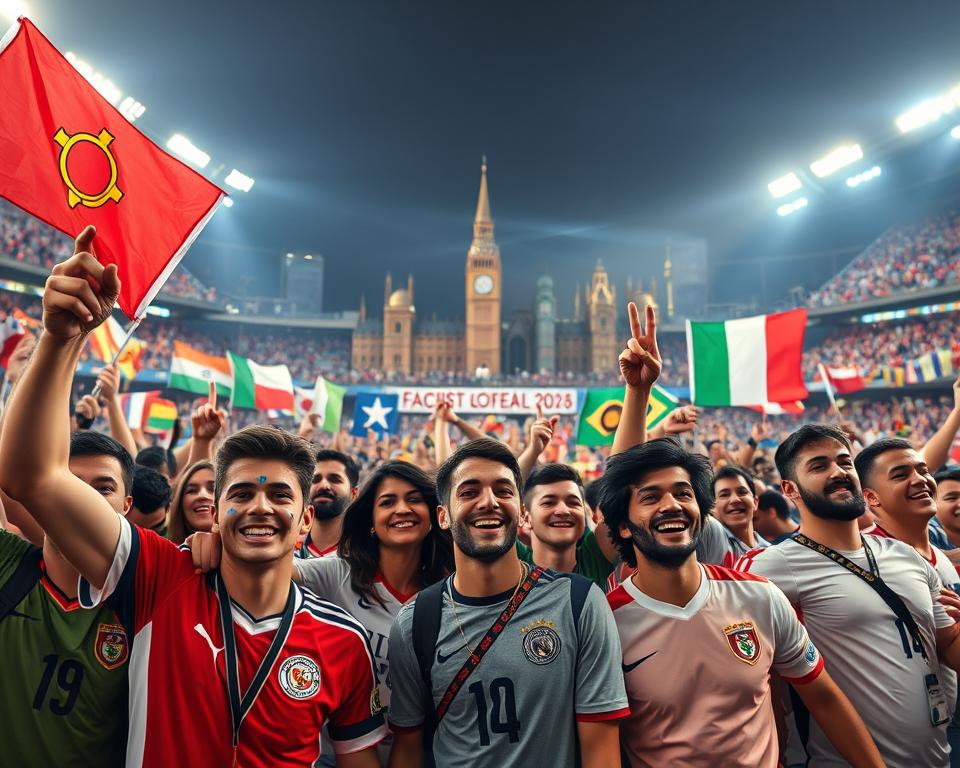
You feel pride for your country during the international soccer competition. Stories about teams qualifying, cities hosting, and community programs make it special. When Canada, Mexico, and the United States got to join the 2026 games without qualifying, people got more excited. This excitement increased tickets sold, youth programs, and media coverage.
Stadiums with history like Estadio Azteca add deep stories to the games. Mexico City hosting the event links current dreams with previous victories. Fans remember past world cup champions and great matches while supporting their teams. These moments influence how we view each team’s status in the world cup.
Narratives about teams qualifying engage the whole nation. Stories about countries like South Africa and Haiti returning become main topics for media and community leaders. These narratives change casual watchers into avid fans and encourage more donations to local soccer.
Investing in communities during the games creates ongoing pride. In Los Angeles, efforts like the Play Equity Fund and ambassadors such as Magic Johnson and Mia Hamm link nonprofits to the event. Their work strengthens cultural bonds and encourages kids to stay involved in sports.
City pride turns into financial benefits during the tournament. Miami Gardens showcases its food, parks, and tourist spots. This boosts tourism and lets local businesses share their culture when world cup teams visit.
| Factor | How It Boosts Pride | Impact on Competition |
|---|---|---|
| Host Automatic Qualification | Nationwide excitement and investment | Alters confederation slots and fan engagement |
| Historic Venues | Reconnects fans with past triumphs | Elevates expectations for world cup winners |
| Qualification Stories | Unifies communities around underdog narratives | Drives media coverage and boosts viewership |
| Community Programs | Creates lasting local legacies | Builds pipelines for future national talent |
| City Marketing | Showcases culture and hospitality | Increases tourism tied to match schedules |
Rising to the Challenge: Your Road to Success
To succeed in the 2026 world cup, you need a clear plan. The tournament will have 48 teams in 12 groups. Each team has three matches in the group stage. This new format makes it harder to manage team rotation and player fitness.
Organize your strategy around the world cup timelines and mandatory player release dates. By May 25, 2026, clubs must let players go, except some may have until May 30 due to final matches. There’s a total of 56 days for rest, release, and play. Plan your team’s training and rest around these dates.
Getting to the final could mean playing up to eight matches. This extra match will impact your team’s strategy, including which players to substitute and how to keep them fit. Have players who can play in various positions to keep your team strong.
Start planning how to qualify as soon as possible. The competition for getting to the finals is tough, with many different ways to qualify. You need to know your opponents and plan for possible playoff matches. This helps in scouting and making travel plans.
If you’re going to watch the matches, get your tickets through FIFA ID. Ticket sales happen in stages: Visa Presale Draw, Early Ticket Draw, Random Selection Draw, then on a first-come, first-served basis. Book your flights and hotels in cities like Los Angeles and Miami early to get good deals and ensure availability.
Make your trip better by using resources from host cities. Los Angeles and Miami have official fan guides with tips on getting around, eating out, and staying green. Planning events and meet-ups around the game schedule can make your trip even more fun for you and other fans.
| Area | What to do | Why it matters |
|---|---|---|
| Squad Planning | Prioritize depth, versatile players, and rotation policies | Prepares team for up to eight matches in the world cup tournament |
| Training Calendar | Align peak fitness with player release windows and rest periods | Keeps players fresh for group stage and knockout rounds |
| Qualification Strategy | Map regional slots and playoff routes; prepare contingency plans | Clarifies travel, scouting, and match priorities |
| Fan Logistics | Secure FIFA ID tickets early; book travel and hotels in host cities | Ensures smooth attendance at world cup matches |
| Local Resources | Use official host guides for transport, hotels, and community events | Enhances fan experience and local coordination during the FIFA world cup |
The Evolution of the Tournament Format
The world cup tournament has changed a lot over the years. With the 1998 expansion, the number of teams grew to 32. On March 14, 2023, FIFA decided to increase teams to 48. This setup includes 12 groups of four teams each.
This change means there will be 104 matches. Finalists will now play eight games, not seven. The event will last 39 days, up from 32. This will impact the schedule, the players’ recovery time, and the broadcasting plans.
Some people say the new format allows more countries to participate. However, others are worried. They feel it could lower the quality of games, make players more tired, and involve FIFA’s politics. These topics are widely discussed in major news outlets.
FIFA created rules to keep the competition fair. The top two teams from each group move forward, plus the eight best third-placed teams. These rules help prevent strong teams from meeting too soon and being knocked out early.
With more teams, operational needs are bigger. Many stadiums had to be upgraded. This included increasing seating and changing turf to meet FIFA’s standards. Organizers also have to make sure venues comply with FIFA’s rules, including those on sponsorship and naming.
Cities hosting the games, like Los Angeles, are stepping up their game. They’re introducing new plans to engage fans. These include having famous people as ambassadors, creating funds for the community, and pushing a broader marketing strategy to keep the excitement going.
To handle more matches, ticket selling had to adapt. Now, there’s a random draw to pick who gets tickets, sales are done in phases, and there are special sales for Visa cardholders. This is to ensure everyone has a fair chance to get tickets, no matter which city they’re in.
Watching the FIFA world cup’s evolution is fascinating. The new format affects many aspects of the sport. It balances the competition with logistical needs and the experiences of fans and host cities alike.
Understanding the Concept
To really get the World Cup, you need to understand its heart. It combines national pride with fierce competition. Teams from FIFA nations face off in groups and knockouts. With 48 teams in 2026, matches and host cities in the U.S., Mexico, and Canada will see big changes.
It starts with how teams get in. Qualifiers happen in areas like CONMEBOL and UEFA, leading to the final draw. Hosts get spots automatically, and rankings determine the rest.
During the group stage, even third-place teams can move ahead. This makes early games very strategic. Knowing how ties, goals, and points work is key to understanding who gets ahead.
The tournament’s pace is set by many factors. When players join, how teams prepare, and stadium rules all play a part. After groups, it’s on to the round of 32 and ends at a big stadium, like MetLife has been in the past.
Fans and local areas heavily connect with the event. Cities like Los Angeles and Miami host fan zones for 39 days. They also run community events and look after the environment, making the World Cup feel special beyond just the games.
Tickets and getting there are big deals too. Using FIFA ID, fans navigate through different ticket sales phases. Options for staying, getting around, and eating aim to make the experience smooth.
| Concept | What You Should Know | Impact on Fans and Teams |
|---|---|---|
| Qualification Pathways | Regional qualifiers, intercontinental playoffs, and FIFA ranking-based seeding | Determines which world cup teams reach the tournament and affects travel planning |
| Tournament Format | Group stage, best third-placed advancement, round of 32, knockout rounds | Changes group-stage strategy and increases match count for fans and broadcasters |
| Host-City Engagement | Fan zones, community programs, 39-day experience windows, sustainability commitments | Enhances local visitor services and shapes the atmosphere of the international soccer competition |
| Logistics | Player release dates, matchday prep, stadium operations, security | Influences team performance and fan access on matchdays |
| Ticketing | FIFA ID registration, phased draws, hospitality packages | Simplifies access, creates tiers of experience, and affects planning for attendees |
Efficiency
As a fan or an organizer, clear planning is key to follow the FIFA World Cup. The 2026 format will introduce 48 teams, increasing matches from 64 to 104. This expansion means more games, but it comes with a well-thought-out design: a 39-day schedule for host cities and a 56-day period for player release and rest. This helps players recover while keeping the tournament tight.
Choosing the right infrastructure and venues is crucial to a smooth World Cup. Sixteen stadiums will be used, with capacities ranging from about 45,000 at BMO Field to nearly 94,000 at AT&T Stadium. This variety creates different needs for each location. Switching to grass from artificial turf at some sites means better play and fewer disruptions.
To make your travel and watching experience better, several steps are taken. Grouping Mexico, Canada, and the United States in specific groups makes things simpler. Strategies like pot-based draws and confederation protections help avoid last-minute changes. Cities like Los Angeles and Miami are working on making your visit better. They use marketing, community help, ticketing phases, and hotel advice to control crowds and fight ticket scalping.
Looking at long-term efficiency means dealing with social and environmental issues early on. The need for sustainability and human-rights reports leads to plans that cut delays and reduce local disagreements. When you check the world cup schedule, expect to see more games but with smarter logistics, better communication, and cleaner venues. All this is meant to make the FIFA World Cup experience smoother for everyone.