
Anúncios
Computer vision is a key part of artificial intelligence. It lets machines understand and interpret visual data.
This tech is like human vision. It supports a range of applications from recognizing objects to identifying faces during daily interactions.
Thanks to recent advancements, notably in deep learning, image processing has gotten much better across many fields.
Computer vision is changing how businesses operate. It’s making tasks faster and more accurate in various sectors.
Anúncios
Companies are now turning to image recognition systems. They’re using these systems to improve how they engage with users.
Understanding the Concept: The Evolution of Computer Vision
The field of computer vision has changed a lot over time. Initially, it focused on simple tasks like finding edges or dividing up images, and these tasks didn’t work well together. Thanks to tech improvements, especially in deep learning, these separate jobs have come together. Now, computers can understand pictures much better, recognizing and naming objects accurately.
As the technology behind deep learning got better, so did the machines’ ability to handle loads of data. Computers went from just looking at images to actually understanding complex scenes on their own. This big change has pushed the boundaries of computer vision. It’s no longer about simple tasks. Now, it involves making decisions based on what it sees. The growth of computer vision shows we’re moving towards machines that think and interact more like us.
Workflow of Computer Vision Systems
The process of computer vision includes many important steps. It starts with collecting data. This means getting images and videos from different places. High-quality data is key for the next steps.
After gathering data, improving image quality is important. Adjusting things like brightness and contrast helps. This makes it easier to pick out important details in images, such as edges or textures.
Choosing the right model is a critical next step. Convolutional neural networks (CNNs) are often chosen for their power in image-related tasks. The chosen model is then trained with lots of data to make it accurate.
Anúncios
After training, the model is ready to make predictions. It uses what it has learned to name objects or spot specific details in new images. Then, the last step is to check how well the model did. The goal is to keep making the model better over time.
Key Options in Computer Vision Technologies
Computer vision technologies have changed how machines understand visuals. A big leap forward is Convolutional Neural Networks (CNNs). They are key in analyzing images. CNNs are great at spotting patterns in pictures, making them accurate and fast.
Image segmentation is crucial for deep visual analysis. It breaks an image into clear segments. This helps in better identifying and tracking objects at a detailed level. Such a detailed method is used in many fields, like healthcare and self-driving cars.
Object detection methods like YOLO (You Only Look Once) and R-CNN (Region-based Convolutional Neural Networks) allow for quick spotting and placing of objects. This boosts the speed of automated systems a lot. Using these technologies, various industries can invent new solutions that push forward innovation and increase work output.
Efficiency and Impact of Computer Vision
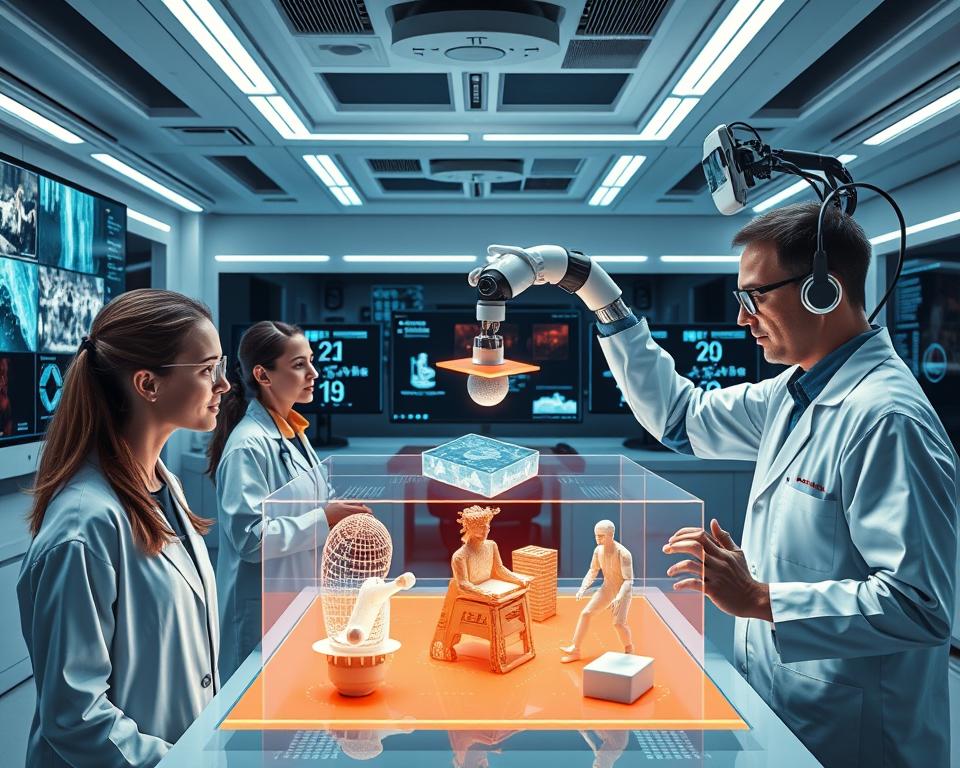
Computer vision has changed many fields by greatly improving how work is done. Old ways of looking at images took a lot of time and often had mistakes. Now, with computer vision, machines can quickly and correctly look at lots of pictures. This means decisions are made quicker and it costs less to get work done, making businesses more competitive.
For example, in making things, computer vision helps check products for problems faster and better than people can. In healthcare, it helps find health issues by looking at medical pictures, leading to early treatment and better health results. Organizations using these systems see big benefits and do their jobs better.
The table below shows how much computer vision helps different areas:
| Industry | Efficiency Gain (%) | Cost Reduction (%) | Speed of Processing |
|---|---|---|---|
| Manufacturing | 30 | 25 | Thousands of images per minute |
| Healthcare | 40 | 20 | Real-time image analysis |
| Retail | 35 | 15 | Instant inventory checks |
Computer vision’s benefits are huge. It uses automation and smart image checking to change industries for the better. It gives us great value and information we didn’t have before.
Applications of Computer Vision in Various Industries
Computer vision changes how industries work, making them more efficient. In healthcare, it helps radiologists find diseases early. By analyzing medical images, they can spot issues like pneumonia and tumors.
Transportation has improved with computer vision. Self-driving cars use it to see roads and understand traffic signs. This boosts safety and reliability, showing computer vision’s impact.
In retail, computer vision streamlines stock management and tracks customers. It ensures shops have what they need and offers personalized shopping tips based on customer habits.
Agriculture also gains from computer vision. It’s used to check crops and increase harvests. Farmers use images to decide on water, pest control, and when to pick crops. This makes farming better and more eco-friendly.
| Industry | Application | Benefits |
|---|---|---|
| Healthcare | Medical image analysis | Improved diagnosis accuracy |
| Transportation | Self-driving technology | Enhanced safety and navigation |
| Retail | Inventory management | Streamlined operations and better customer insights |
| Agriculture | Crop health monitoring | Increased productivity and sustainability |
Challenges and Limitations of Computer Vision
Computer vision has come a long way, but it still faces big challenges. One major issue is making sure it works well no matter the environment. Things like changes in light or the background can mess up how it sees and understands objects.
Trust and being able to explain how it works are also tough problems. This is really important in areas where safety is key. If people don’t understand how the system makes decisions, they might not use it.
Running these systems requires a lot of computing power, especially for clear images and fast responses. This means you need strong and expensive equipment, which isn’t always possible everywhere it’s needed.
| Challenge/Limitations | Description |
|---|---|
| Environmental Variability | Changes in lighting and backgrounds can distort visual data and affect performance. |
| Trust and Explainability | Understanding decision-making in safety-critical contexts is crucial but often lacking. |
| Computational Demands | High-resolution images require significant processing power, which can restrict usability. |
Future Trends in Computer Vision
The world of computer vision is changing fast, thanks to new tech advancements. Soon, we’ll see systems that not only see things but also understand words and make smart choices. This means they’ll be better at interacting with us, making computer vision more useful in everyday life.
There’s a big move towards models that process information in advanced ways. These models help create smarter systems that can handle tough situations. They’ll help machines actively solve problems, not just watch. As a result, computer vision will push new breakthroughs in many areas, making things more automated and efficient.
We’re heading towards a future where smart, flexible machines work closely with people. These advances in computer vision will change how we use technology, leading to safer and more productive environments. If industries want to stay ahead, they must embrace these changes in computer vision.