
Anúncios
Plug-in hybrids mix an electric motor with an internal combustion engine. This combo offers great options for city driving.
These cars use a traction battery to power the electric motor. They also get energy back through regenerative braking when slowing down.
An onboard charger and charge port handle the electricity. They make sure everything’s safe in terms of voltage and charge levels.
For longer trips, the car switches to the combustion engine. This helps keep the driving range long and supports sustainable travel.
Anúncios
Plug-in hybrid cars give you the best of electric and hybrid worlds. They’re perfect for eco-friendly travel in daily life.
Important parts are the lithium-ion battery, electric motor, DC/DC converter, cooling system, and the engine that uses spark ignition.
You can charge these cars at home or at public stations for electric drives. They also have a gas tank and transmission for longer trips.
Brands like Chevrolet, Toyota, Ford, Mitsubishi, and BYD have been making more PHEVs since 2010. This means more options for buyers.
Understanding the Concept: Old Way vs New Way
In the past, cars mainly relied on engines that burned fuel. This setup needed gas and regular stops at the gas station. It was a familiar system but it totally depended on gasoline.
Anúncios
Then came the hybrid electric cars. They mixed a small battery with the gas engine. This hybrid setup used the car’s motion and the engine to charge the battery. It was more efficient and saved fuel in the city, but couldn’t be charged from an outside source.
Now, we’re moving towards cars that focus on electric power first. A plug-in hybrid can be charged at home or public stations. This change means many trips don’t release any exhaust, making these cars super eco-friendly for daily use.
Plug-in hybrids mix different power sources as needed. For short trips, they run just on electric power. If the battery gets low, the gas engine kicks in. This switch helps drivers worry less about running out of power and cuts down on pollution.
These cars are smart with power. Systems manage how the battery, motor, and car parts work together. They even capture energy when you slow down. That’s energy regular cars just waste. A plug-in hybrid saves this energy to use later.
The table below points out the main differences between old and new car technologies. It’s for buyers who want a green, efficient ride.
| Feature | Conventional ICE | Traditional Hybrid (HEV) | Plug-in Hybrid (PHEV) |
|---|---|---|---|
| Primary energy source | Gasoline in fuel tank | Gasoline plus small battery | Grid electricity plus gasoline |
| Charging method | Refueling only | No external charging | External charge port and onboard charger |
| Electric-only range | None | Very limited | Extended for daily commutes |
| Energy recovery | No regenerative braking | Regenerative braking present | Regenerative braking plus larger battery storage |
| Typical emissions | Higher tailpipe emissions | Lower than ICE but not zero | Lower lifecycle emissions when charged from clean grid |
| Driver flexibility | Dependent on fuel stops | Improved efficiency, limited electric use | Electric-first driving with backup ICE |
How a Plug-in Hybrid Works: Workflow from Charge to Drive
First, plug into a home outlet or a public charging station. This charges the high-voltage battery. The onboard charger changes AC power to DC. Meanwhile, it watches the battery’s voltage, current, temperature, and charge level.
Next, the battery sends DC power to the controller. This controller handles the electric motor and controls wheel torque. A device lowers the high voltage to power lights and keep the 12V battery charged.
In the city, regenerative braking makes the motor a generator. It turns motion back into electricity. This makes the car more efficient for short electric trips.
When the battery gets low, the gas engine kicks in. It can drive the wheels or charge the traction battery. This lets you go further on long trips.
A thermal management system keeps everything at safe temperatures. It decides when to use electric power or hybrid mode. This choice depends on battery charge, driver needs, and temperature, promoting eco-friendly driving.
Charging at home or at public stations supports more electric drives. This reduces gas use for daily travel. It lets the hybrid car work like an electric one for many people.
plug-in hybrid: Core Components and Roles
The traction battery pack stores electricity for the electric motor. It lets drivers do their daily trips on electric power alone. It’s bigger than in regular hybrids but smaller than in electric cars. This balances cost, weight, and how far you can go.
The onboard charger and charge port allow the car to use AC power from homes or public places. They make sure the car charges correctly and keep the battery healthy. This way, you can easily charge the car overnight.
Electric motors in the car serve two main roles. They power the car for quiet, smooth driving and gather energy when you brake. Power electronics controllers adjust motor speed and power, and change high-voltage DC to low-voltage DC for the car’s systems.
Thermal systems manage the temperature of the engine, motor, and other key parts. They make sure everything works well, even in very hot or cold weather. This helps the car’s parts last longer and perform better.
The car has a gas engine that starts when the battery is low or more power is needed. The transmissions move mechanical energy to the wheels. They adjust to how fast you’re going and how much power you need.
The car’s fuel tank holds gasoline for longer drives beyond electric power. The exhaust system removes gases and reduces pollution with a three-way catalyst. This helps plug-in hybrids be cleaner than regular cars.
A smaller 12-volt battery powers lights, the entertainment system, and safety features when the car starts. These components help plug-in hybrids offer quiet electric drives, energy saving, and the ability to use gas for longer trips.
Key Options on the Market: Comparative Overview
The plug-in hybrid market offers a mix of electric and gasoline power. There are options from small cars to large SUVs. The main differences like battery size, charger rate, and heat control affect how they work every day.
Pick a car that fits your daily drive and the weather in your area. A car with a big battery can go farther on electricity only. Cars with good control for heat keep their range better in the cold. How fast you can charge depends on the car’s charger and your home setup.
Popular PHEV Models Relevant to U.S. Buyers
The Toyota RAV4 Prime has quick acceleration and a good electric range. The Hyundai Tucson Plug-In Hybrid and Kia Sportage PHEV offer space and good service networks in the U.S. The Chevrolet Volt, although not sold anymore, is still a good example of electric range and everyday use.
BYD Song is a top seller globally, showing people’s interest in plug-in hybrids outside the U.S. The Ford Escape Plug-in Hybrid was used early on for tests on using less gas and V2G experiments.
How to Choose Between Models
Start with how far you drive each day and if you can charge easily. If your trips are mostly short, look for a big battery. If charging quickly is important, check the charger rate and if it can use public stations.
Think about battery type and how it does in your weather. Lithium iron phosphate batteries do well in the heat, while other types might store more power. Look into guarantees and support for the battery and hybrid parts.
| Model | Typical Electric Range (mi) | Notable Strength | Best For |
|---|---|---|---|
| Toyota RAV4 Prime | ~42 | Strong acceleration, reliable dealer network | Commuters needing SUV utility |
| Hyundai Tucson Plug-In Hybrid | ~33 | Practical packaging, competitive pricing | Value-focused SUV buyers |
| Kia Sportage PHEV | ~32 | Comfort and warranty coverage | Families seeking crossover comfort |
| Chevrolet Volt | ~53 | Extended-range electric concept | Drivers prioritizing long EV-first trips |
| BYD Song | ~40 | High global sales, efficient packaging | Buyers watching proven PHEV volume |
Efficiency and Emissions: Data-Driven Advantages
Plug-in hybrid models are a mix of electric vehicle technology and gas engines. This mix helps save fuel on normal commutes. Most short trips use only electric power, leading to less pollution and cheaper costs per mile. The cars also have a system that saves energy when braking, and a converter that powers car gadgets safely.
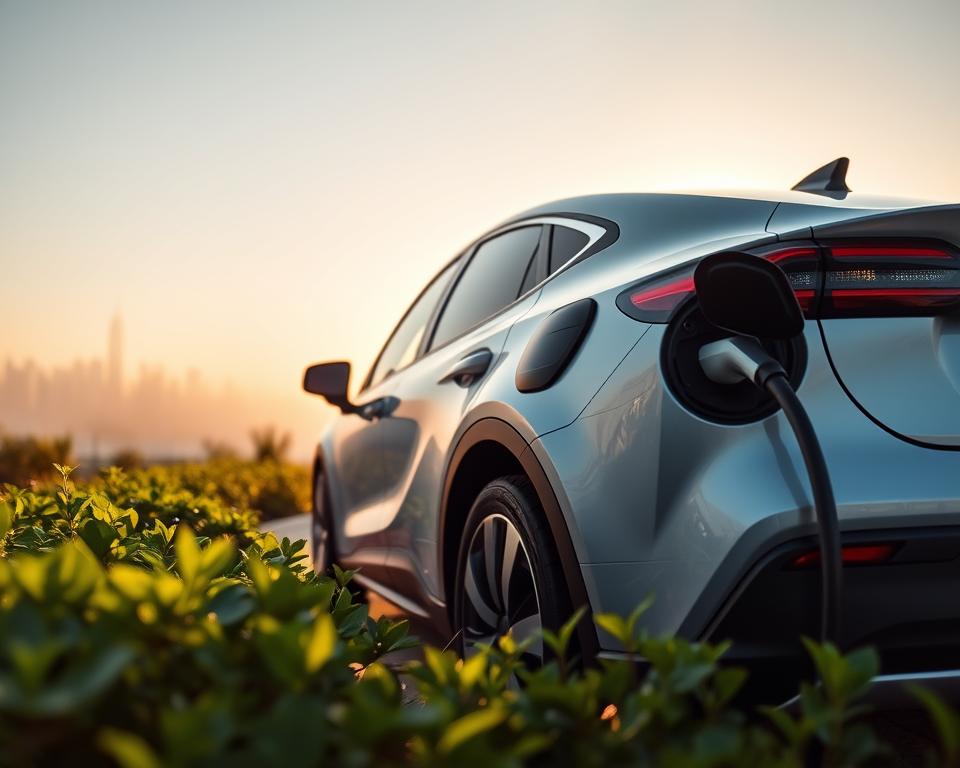
The good things about these cars depend on how you charge them, how far you drive, and where your power comes from. Charging with green energy like solar or wind means almost no pollution over the car’s life. Plus, these hybrids are lighter and need fewer resources than fully electric cars but still provide the option of using gas.
Electric-First Efficiency Metrics
Starting a trip in electric mode with a plug-in hybrid uses much less energy. The EPA and car makers provide numbers like electric range, MPGe, and overall fuel economy. Driving in the city is where these cars shine the most, thanks to the quick power of electric motors and smart braking that saves more energy than gas-only cars.
Real-World Performance and Fuel Economy
How much gas you save depends on how often you plug in the car. Using a plug-in hybrid for short daily trips can save as much gas as owning a standard electric car. For longer trips, these hybrids still use gas but are more efficient than old gas-only cars.
Lifecycle and Grid Considerations
The lifetime pollution of these cars depends on the kind of electricity you use. Charging with clean energy almost cuts out all pollution from these hybrids over time. Also, making these cars impacts the environment less than making fully electric cars because the batteries are smaller.
| Metric | Plug-in Hybrid (Typical) | Battery Electric Vehicle (Typical) | ICE Vehicle (Typical) |
|---|---|---|---|
| All-electric range | 20–50 miles | 150–300+ miles | 0 miles |
| Average city efficiency | High (electric-first) | Very high | Low |
| Lifecycle CO2 (when charged on renewables) | Low emissions | Very low emissions | High emissions |
| Battery material use | Moderate | High | Minimal |
| Fuel cost per mile (electric-first) | Low | Lowest | High |
| Best use case | Daily commuting with occasional long trips | Regular medium-to-long trips with charging access | Long-distance driving without charging needs |
Driving Experience: Performance, Range, and Practicality
Plug-in hybrids have electric motors that provide instant, quiet push. This gives them quick starts and smooth power that gas engines can’t. Drivers enjoy this unique driving feel.
With a charged battery, it works like an all-electric car for short trips. This is great for city driving, cutting down pollution and promoting green travel.
As the battery gets low, it uses its gas engine, easing worries about distance. Take the Toyota RAV4 Prime, for instance. It blends speed with good electric distance, showing what SUVs can do.
How far you can go also relies on charging spots at home or work and the charger speed. Quick charging means you can drive more on electric, using less gas. This makes the car more eco-friendly for many people.
How well the car manages heat plays a big role in its performance and battery life. Extreme weather can make the gas engine run more for heating or cooling. This affects how efficient and enjoyable the car is to own.
Your driving habits are important too. Short trips in the city use more electric miles. But longer drives on highways mean more gas use, leaning more towards traditional hybrid use.
Those looking for zippy acceleration and less gas use will like plug-in hybrids. They are halfway between regular cars and full electrics. How you charge it and use it every day will determine if it’s mostly electric or gas for you.
Maintenance, Reliability, and Ownership Costs
Having a plug-in hybrid means caring for both an engine and electric systems. Regular maintenance is key for good health of both parts. This keeps the car reliable and valuable over time.
Routine Maintenance Differences
Plug-in hybrids need oil changes, spark plug checks, and more, like regular cars. Technicians also look at the electric system, checking the battery and electronics. They ensure everything is running smoothly.
Monitoring chargers and ports helps find issues early. Keeping up with these checks keeps the car running well and holds its value.
Long-term Reliability and Battery Care
Plug-in hybrids have smaller batteries, reducing risk and cost. Proper charging and battery care are crucial for a long battery life.
Look into battery warranties from brands like Toyota and Ford. Taking care of the battery and updating software increases the car’s lifespan.
Total Cost of Ownership
To figure out costs, add up incentives and maintenance. Driving on electricity usually costs less per mile.
Consider depreciation, insurance, and service availability. Use maintenance schedules and local electricity rates for cost estimates. This helps you see how plug-in hybrids stack up against other cars.
Charging Infrastructure and Home Setup
A plug-in hybrid takes AC power through a charge port. Then it changes that AC into DC. It also keeps an eye on the battery’s voltage, current, temperature, and charge level. This works at both your house or public electric stations.
There are two typical ways to charge at home. Level 1 uses 120V, which is good for charging overnight. Level 2 uses 240V, which charges your car faster. How fast your battery charges depends on the car’s onboard charger.
Having access to public charging stations lets people drive on electric power more. This is available for cars from Ford, Toyota, Chevrolet, and more. You should make sure the station fits your car’s needs before you use it for daily drives.
To safely install Level 2 charging at home, check if your electrical panel can handle it. Also, get a professional electrician to do the setup. This helps avoid electrical issues and ensures your battery charges smoothly.
What you pay to charge your car changes based on where you live. Using power when it’s cheaper, like at night, can save money. Keep an eye on electricity rates. Then, charge your car when prices are low to save more and be eco-friendly.
Before upgrading, follow these steps: know your charger’s power, make sure your home can handle Level 2, find suitable public stations, and work out the costs. Doing this makes using green cars and charging systems easy for daily life.
Environmental Impact and Sustainability
Plug-in Hybrid Electric Vehicles (PHEVs) serve as a link between fully electric and traditional gas cars. They reduce exhaust emissions for everyday trips by using electric power. Using renewable energy for charging can lower their overall environmental impact, helping us reach eco-friendly transportation goals.
When fleets switch to plug-in hybrids, they move emissions from many cars to one source: the grid. This shift makes it easier to reduce emissions since power plants can more easily use wind or solar energy. Companies like BYD are increasing their production, offering more eco-friendly vehicles to both individuals and fleets.
Emissions Reduction Potential
PHEVs emit less CO2 and NOx when driven in electric mode, improving city air quality. Charging them with renewable energy can make their emissions even lower than traditional cars.
Using smart charging and charging at off-peak times helps PHEVs use more green energy. This approach reduces emissions and helps make electricity networks more efficient. It also encourages drivers to adopt cleaner driving habits.
Material and Manufacturing Considerations
The batteries in plug-in hybrids are smaller than those in fully electric vehicles, which reduces the need for materials and lowers the car’s weight. The type of battery material used influences how much resources are needed and how the battery can be recycled after its life is over.
Manufacturing plug-in hybrids is complex because they have two power systems. But careful material sourcing and recycling can lessen environmental effects. Advances in battery technology also help make these vehicles more sustainable.
| Aspect | Plug-in Hybrid | BEV | ICE Vehicle |
|---|---|---|---|
| Tailpipe Emissions (Daily Use) | Low during electric operation | Zero | High |
| Battery Size | Moderate; smaller pack | Large; full-range pack | None |
| Material Demand | Lower than BEV; depends on chemistry | Higher; more critical minerals | Lower for batteries; higher for fuel systems |
| Lifecycle Emissions (with Renewables) | Significantly reduced | Greatly reduced | Relatively high |
| Infrastructure Reliance | Requires charging plus fuel network | Strong charging network needed | Fuel network only |
| Suitability for Fleets | High; flexible and scalable | Growing; ideal for urban fleets | Limited for low-emission goals |
Market Trends and Sales Context
The plug-in hybrid market is growing differently in various areas. In the last ten years, sales soared due to buyers wanting cars with electric flexibility. This growth was also helped by famous brands adding more cars to their lineups. Car makers are making both electric cars and plug-in hybrids to meet varying customer desires and government rules.
In China, brands like BYD and Geely are leading the charge, pushing global sales high. By the end of 2024, over nine million plug-in hybrids were on the road there. Chinese cars are designed with special engines and pricing for many people to buy them.
Global and U.S. Market Dynamics
The U.S. market has taken a unique direction. Early models like the Chevrolet Volt set the bar for battery range and ease of use. Nowadays, plug-in SUVs and crossovers are gaining ground in the U.S., with Toyota and Hyundai offering strong options.
Market trends are divided. Some car makers are focusing on battery-only electric vehicles. Others are increasing their plug-in hybrid (PHEV) options to keep selling cars in areas where it’s hard to charge them. People wanting to drive in a more eco-friendly way keeps the demand for electrified vehicles strong. These vehicles cut down on pollution and don’t always need public charging stations.
Manufacturer Strategies and Future Directions
Car makers are trying out different plans. European companies had big plans for plug-in hybrids from the start. Toyota continues to offer hybrids but is also adding plug-ins to attract everyday buyers. BYD is focusing on selling a lot of cars and using local tech to reduce costs.
We can expect to see more detailed hybrid designs and cars made for specific areas. Car manufacturers will balance their efforts between battery electric vehicles and plug-ins. This strategy is to stay prepared for any changes in laws or what buyers want.
Final Summary
Plug-in hybrid vehicles have a mix of both electric and traditional parts. These include a traction battery pack, electric motor, and a conventional engine, among others. This mix lets you drive mostly on electric power for day-to-day tasks. Plus, you can use gasoline for longer trips without worry.
PHEVs are great for the environment and your wallet when used in electric mode. They produce fewer emissions and have lower running costs. Chevy’s Volt showed us that even short electric ranges can reduce reliance on gasoline. And brands like BYD are now offering cars with longer electric ranges, making them even more useful.
When shopping in the U.S. for a plug-in hybrid, look at the electric range and charging abilities. Also, consider how well it keeps its batteries at the right temperature and the kind of support dealers provide. Don’t forget about tax breaks, charging options, and the overall cost. If you pick carefully, a plug-in hybrid can lower emissions and save on gas money. All this, without the worry of running out of charge.