
Anúncios
Getting to know ios compatibility is key. It helps your iPhone run all the apps it should. Plus, it makes sure you get the latest security updates.
Apple shares which ios versions work with which devices. This lets users know if their device can handle new features.
Not all iPhones offer the same features, like Visual Intelligence or Live Translation. These depend on the model, where you are, and the languages you use, starting with iOS 26.2.
To see if your iPhone can run the latest ios, check your model under Settings > General > About. Then, head to Software Update to install any new ios versions you need.
Anúncios
The first section tells you about the importance of ios compatibility. It shows how Apple lists supported devices and where to look up system needs.
Tables from Apple Support list ios versions that each iPhone model can run. They also tell you which ones are getting too old to support.
Understanding the latest ios version your device can use helps you figure out. Should you update, get a new model, or find other ways if apps don’t work anymore?
Understanding the Concept: Old Way vs New Way of handling iOS compatibility
In the past, technicians and users had to look up printed specs and search through forum posts to understand device limitations. They had to check model numbers manually, keep scattered notes on feature support, and make educated guesses when apps failed after updates.
Anúncios
Now, the approach uses built-in checks and resources from Apple directly. You can go to Settings > About to find out about your device and use Software Update to check for new iOS updates. Apple’s Support pages show the first and maximum iOS versions supported for each model, making it easier to check if your device can run a specific ios update.
Today, the hardware capabilities of devices are more critical. Some new features, like Visual Intelligence on Apple Intelligence–enabled iPhones, need special chips and sensors. Also, where you are and the language you use can limit access to things like Live Translation and other services. This explains why some features aren’t available on all devices.
Tables showing the device lifecycle make things clearer. They list the first release and the highest iOS version supported for every model. This information helps avoid trying to install updates that won’t work and shows when a device is considered vintage or obsolete.
Here’s a simple comparison:
- Old Way: Depend on manual checks and what makers say.
- New Way: Use Settings > About and Apple Support device tables to figure out model and iOS version support.
- Old Way: Only update when apps don’t work.
- New Way: Actively use Software Update and check for the highest iOS version for your model.
- Old Way: Not sure about region and language limits.
- New Way: Look at iOS and iPadOS Feature Availability pages for region-specific info.
- Old Way: Thinking all devices have the same features.
- New Way: Understand that some features depend on hardware and what accessories, like AirPods firmware for iOS 26, are needed.
For teams managing many devices, an ios compatibility checker tool can automatically spot devices that need ios updates. This tool minimizes problems and helps apps work better across different models.
| Aspect | Old Way | New Way |
|---|---|---|
| Device ID | Manual lookup in manuals or serial lists | Settings > About with clear model name and number |
| Update Delivery | Wait for notices or react when apps fail | Software Update pushes available ios updates; staged rollouts documented |
| Feature Parity | Assumed uniform across models | Hardware-dependent features and regional limits documented |
| Compatibility Verification | Forums and mixed vendor statements | Apple Support device lifecycle tables and official feature pages |
| Tooling | No centralized checker | Automated ios compatibility checker options and management scripts |
Workflow: How to check iOS compatibility and update your device
Step 1: Identify your device and its current iOS version. Open Settings > General > About to see the model name and the iOS version. This screen shows the essential details needed for ios device verification.
Step 2: Compare your device’s model with Apple’s support tables. Check Apple Support device tables to learn the first and highest major iOS versions your device can support. This step helps you know if your device can get ios upgrades.
Step 3: Check if key features work in your place and language. The iOS and iPadOS Feature Availability page lists features like Visual Intelligence and Live Captions. It shows which ones you’ll get with ios updates in your area.
Step 4: Get your device ready for the update. Back up your data with iCloud or Finder, make sure you have enough space, and charge the battery or plug in your device. These steps help avoid any update issues and protect your data.
Step 5: Start the update through Settings > General > Software Update. Install the newest iOS version that works with your model when available. Follow the instructions that show up and check the device tables for old models to see if an upgrade is possible.
Step 6: Make sure your accessories will still work. Check if your AirPods and CarPlay need firmware updates for compatibility. Certain features, like Live Translation with spatial audio, need specific AirPod models that match the compatibility list.
Quick checklist:
| Action | Why it matters | Where to check |
|---|---|---|
| Find model and iOS version | Determines eligibility for upgrades | Settings > General > About |
| Confirm supported iOS range | Shows maximum major version per device | Apple Support device tables |
| Check regional feature support | Ensures features work in your language and country | iOS & iPadOS Feature Availability |
| Back up and prepare | Protects data and meets storage/battery needs | iCloud or Finder; device settings |
| Run Software Update | Installs the latest compatible release | Settings > General > Software Update |
| Verify accessory support | Keeps ecosystem features working | Accessory firmware notes and compatibility lists |
Key Options: iOS compatibility checker, device lists, and update pathways
To check if your device is iOS compatible, start with two simple steps. First, open Settings > About to see your model name and the iOS version. Then, tap Software Update to see available updates and if your device can handle the latest iOS.
Apple has in-depth help for checking iOS compatibility for different needs. On the iOS and iPadOS Feature Availability pages, you’ll find info on what’s available where, language support, and which accessories work with features like Live Translation and AirPods. The Apple Support website has tables listing each model’s first and maximum iOS version, identifying vintage or obsolete devices.
It’s vital to protect your data before making any updates. You can back up your device’s data with iCloud or Finder. These backups are key if an update doesn’t go as planned or if you’re moving between iOS versions. Think of backing up as a crucial step in the update process, not just an add-on.
When choosing how to update, consider how much risk you can take and how urgent the update is. A direct Software Update is quickest for devices with enough free space and a healthy battery. If your device is close to not being supported anymore, look at Apple Support’s device tables and feature availability info first. Always back up your data and maybe wait to update if you’re worried about space, your network, or app issues.
This table breaks down the tools and roles, helping you choose how to check and manage iOS software compatibility and updates.
| Name | Role | Main Benefit |
|---|---|---|
| Settings > About | Device identification | Quickly shows model name and installed iOS version for a fast ios compatibility check |
| Software Update | System updater | Installs the latest compatible iOS for the device to keep ios updates current |
| iOS and iPadOS Feature Availability | Feature lookup | Clarifies regional and language availability and hardware needs for specific features |
| Apple Support device tables | Compatibility reference | Shows first and maximum iOS versions per model and flags vintage or obsolete status |
| Backup tools (iCloud/Finder) | Data protection | Secures data prior to updates or restores so you can safely attempt ios software compatibility changes |
Efficiency: Benefits of maintaining correct iOS compatibility with data
Keeping up with compatible iOS versions boosts efficiency for users and IT teams alike. Updates that meet iOS system requirements make iPhones and iPads less likely to crash. They also prevent battery drain and help devices operate smoothly.
Performance and security gains
Using the latest iOS version allows access to Apple’s security and performance updates. These can be found in Settings > Software Update. Devices not updated may miss critical security fixes. This increases the risk of data loss and security breaches.
Feature access and productivity improvements
To use new features like live translation, specific iOS versions are needed. These features enhance productivity in Messages, FaceTime, and the Phone app, depending on your language and region. Keeping your devices up to date ensures you can use these tools without added effort.
Compatibility with apps and services
App developers set minimum iOS requirements for their apps to function properly. If a device doesn’t meet these, it may not run the app well or update it. Apple Support provides device lifecycle tables to help decide if an upgrade is needed or if alternative methods should be considered.
| Benefit | Why it matters | Action |
|---|---|---|
| Security patching | Protects data and reduces breach risk | Install supported ios versions as released |
| Performance | Smoother apps, fewer crashes, better battery life | Follow ios system requirements and update when advised |
| Feature access | Enables new productivity tools and language features | Confirm device supports targeted ios versions |
| App compatibility | Ensures apps run and receive updates | Check ios app compatibility before deploying |
Identifying Your Device and Max Supported iOS
Knowing your device and the highest iOS it can use makes planning updates easier. Start by checking the device to see which iOS versions it runs. Then compare this to the highest version it can upgrade to. This helps avoid trouble when apps don’t work or you miss a security update.
To find your model and iOS version, go to Settings > General > About. To physically identify your device, follow Apple Support’s steps. They show how to match model numbers on your device with its official name. This is the quickest way to check compatibility or to make sure your device can run a specific app.
Using Apple Support and curated device tables
Apple Support lists each device model with its first and highest iOS or iPadOS. Curated tables provide these details for many models, from the newest like the iPhone 17 to older ones. Check these tables to know how far your device can upgrade. Make sure it meets the requirements for an update.
| Device | First Major iOS | Max Major iOS |
|---|---|---|
| iPhone 17 | iOS 18 | iOS 19 |
| iPhone 15 | iOS 17 | iOS 18 |
| iPhone 12 | iOS 14 | iOS 17 |
| iPad (8th generation) | iPadOS 14 | iPadOS 16 |
Vintage and obsolete device considerations
Apple labels older devices as vintage or obsolete when support winds down. Such devices may not get security updates or new iOS versions. Understanding this helps you decide whether to replace the device, improve security, or use fewer apps.
If your device is called vintage or obsolete, see if its iOS version supports important apps. Use a compatibility checker if you’re unsure. Then plan your next steps to keep your data safe and maintain access on other iOS devices you own.
Feature Availability by Device and Region
Apple decides which features are available based on the device and where you are in the world. Before you decide to upgrade or roll out new devices, make sure the ios features you need work on your models in your area. Doing this step helps avoid unexpected issues after updating ios and keeps your devices working well together.
Hardware-dependent features
Some ios functions need certain chips or sensors to work. For example, Visual Intelligence and many Apple Intelligence features need an iPhone that supports Apple Intelligence. Most of these features are only for iPhone 12 and newer models or those Apple specifically lists. Always check your device model and the ios version it runs to make sure a feature will work before you count on it.
Regional and language limitations
Different languages and countries have access to different features. Features like Live Translation in Messages and Phone or FaceTime calls offer support for languages like English, Spanish, and several others. But, things like Braille Access and Live Captions aren’t available everywhere. Always check if these features are supported in your country or language before planning to use them.
Accessory and ecosystem dependencies
Accessories or your car’s firmware can also affect which features you can use. For example, using Live Translation with AirPods requires AirPods 4 or the AirPods Pro 2. They also need to be updated to the latest firmware, and you need an iPhone that supports Apple Intelligence on ios 26 or later. CarPlay works differently depending on your car’s make and model, and sometimes you need updates from the car manufacturer. Always check these requirements before you try to use advanced features.
To figure out which features can be used with different models, languages, and accessories, use Apple’s Feature Availability lists and support pages. This helps you know which devices to update first and keeps the experience the same for users everywhere.
App Compatibility: Ensuring apps run on your iOS version
To keep your iPhone or iPad’s apps running smoothly, check if they match your device’s iOS version. Look at the app’s requirements in the App Store before you download it. Also, check your device’s iOS version in Settings > General > About to avoid any issues with app installation or crashes.
Developer targets and minimum iOS
App makers set the lowest iOS version their app will work with. If your device has an older iOS, you might not see the app in search results, or it might not work. Check the App Store listing or developer’s notes for information on compatibility. Apple provides charts to help see if your device meets the ios version requirements.
Testing and troubleshooting incompatible apps
If an app isn’t working right, first check the app’s minimum iOS need against your device’s version. Update your device in Settings > Software Update if there’s a newer ios version. If your device can’t update to the needed version, try the web version of the app or ask the developer for an older version.
Enterprise and legacy app strategies
Businesses should compare their devices against Apple’s support charts to keep track of ios version limits and plan for updates. Use Mobile Device Management for ios compatibility and managing apps. For outdated apps, think about containerization, updates, or rewriting them to meet current ios versions and security standards.
| Scenario | Action | Expected Result |
|---|---|---|
| App requires newer iOS than installed | Check Settings > Software Update; verify App Store minimum; contact developer | Confirm if ios updates are possible or identify alternative web app |
| App crashes after update | Note crash details; reinstall app; test on another device with same ios versions | Isolate whether issue is app-specific or related to ios updates |
| Enterprise app blocked by policy | Use MDM to adjust compliance rules or whitelist app versions | Restore app availability while maintaining corporate ios compatibility |
| Legacy app must be preserved | Evaluate containerization, virtualized access, or targeted maintenance | Continue function on supported devices without forcing risky side-loading |
System Requirements and Recommendations for Updates
Before you update your iOS, make sure your device meets the official requirements. Also, back up your data with iCloud or Finder. This keeps your photos, messages, and settings safe if the update doesn’t go as planned.
Big updates need lots of free space. Make sure you have enough storage and your battery is charged. If you’re running out of space, try deleting apps you don’t use or moving files. Always plug in your device during an update to avoid any problems.
Download speed and safety depend on your network. It’s best to download big files over a secure Wi-Fi connection. This helps you avoid any issues with your mobile data plan. Before you use data, check with your carrier about any limits or extra charges. After updates, some carrier or local features might change, so keep an eye on any announcements from your carrier.
It’s smart to use an iOS compatibility checker to see if your device can handle the new update. Sometimes, older devices won’t get updates or will have limited functions. If your device is as updated as it can be, you might not be able to get the new version.
If you rely on certain apps for work, think twice before updating. New versions can have glitches that affect your apps. It’s often safer to wait for a smaller update after the major one. This way, you avoid any big issues while still getting important security updates.
Before you update, do a few checks: make sure you have enough space, confirm your battery is charged or you’re plugged in, check your Wi-Fi, and use a compatibility checker if needed. Following these steps helps your iOS device stay up-to-date without messing up your day.
Troubleshooting Compatibility Issues
When an iPhone or iPad acts up, it’s often due to ios compatibility issues or system requirements not being met. Approach the problem calmly, step by step. Checking the model and iOS version can save lots of time and protect your data.
Common symptoms and quick fixes
Apps crashing or failing to install often mean there’s an ios compatibility issue. First, go to Settings > General > About to check your device model and iOS version. Install any available ios updates by going to Settings > Software Update if your device supports them.
For accessories that won’t pair, check the firmware and iOS requirements. Look into Feature Availability for regional issues. Try restarting your device and signing out and back into your Apple ID for account problems.
Advanced steps
Always back up your data to iCloud or locally with Finder or iTunes first. This is crucial before attempting a restore or fresh install to fix suspected corruption. Restore steps help fix deeper software issues that simple updates can’t.
Use Apple Support’s device tables to check ios support for your hardware. Update AirPods or other device firmware via its app or an Apple device that meets requirements. For tough issues, do a DFU restore with Finder or iTunes, as Apple suggests.
When to seek professional support
Contact Apple Support or an Apple Authorized Service Provider for hard to solve issues or with vintage devices. Technicians can diagnose hardware issues that block ios updates or proper app functioning.
If tests show a hardware issue or updates fail despite compatibility, get professional help. Experts can repair or replace your device while keeping your data safe and warranty intact.
Best Practices for Maintaining Long-Term iOS Compatibility
Keeping devices up-to-date with the newest iOS versions is key to avoiding security risks and app problems. It’s good to have simple habits to reduce risks and keep your team efficient. Always check Apple’s official pages and support tables to see which models are supported before you make hardware changes.
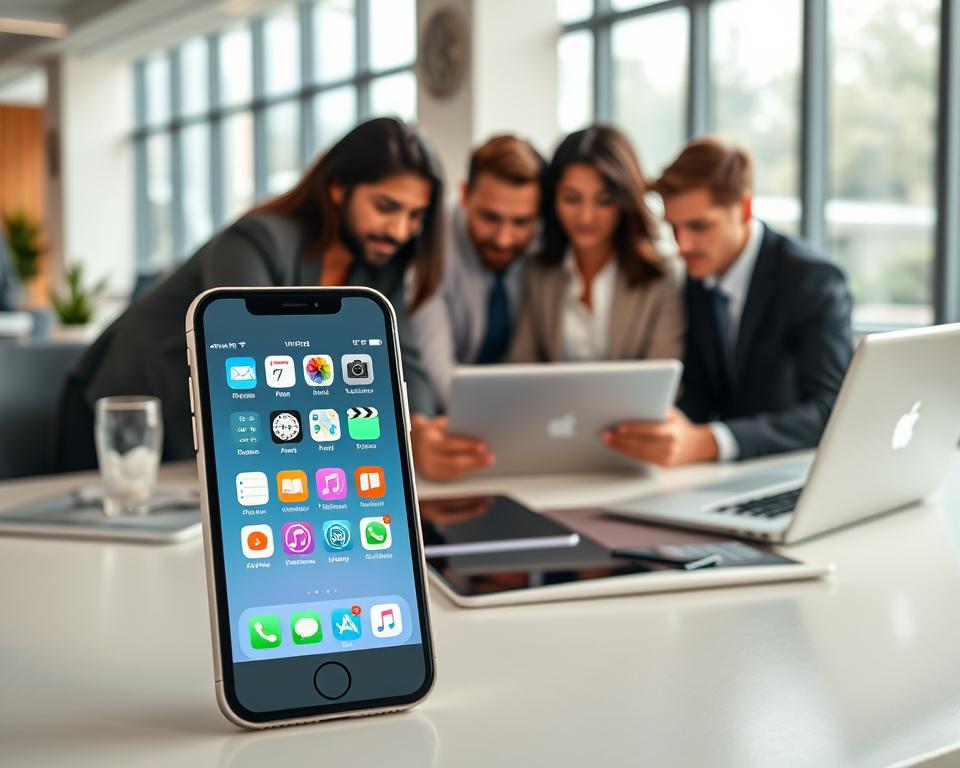
Regular checks and proactive maintenance
Make it a habit to check your device’s settings and for software updates at least every month. If you need to look at many devices, using an ios compatibility checker tool is a smart move. Pay attention to updates in Apple’s lists of iOS and iPadOS features, especially for new regional capabilities.
Backup and update schedule
Set up a regular backup routine with iCloud or Finder, especially before big ios updates. Plan your updates for times when you can use strong Wi-Fi and can plug in your device. Always ensure your backups are finished before updating to avoid losing any data.
Plan device refresh cycles
Look at Apple Support’s device tables to know the first and last iOS versions each model supports. Consider replacing hardware before it’s outdated or can’t run the ios versions you need. Businesses should coordinate device upgrades with their app requirements and security guidelines.
- Conduct routine checks with an ios compatibility checker to spot devices that are falling behind.
- Maintain an update calendar for documenting ios updates and maintenance times.
- Focus on replacing devices that hinder essential apps or don’t pass security standards.
Summary and Next Steps for iOS Compatibility Management
Begin by going to Settings > About to find out your iPhone or iPad model and its iOS version. Look for Software Update to find the newest version your device can use. See the feature and regional availability on the iOS and iPadOS pages to know what features need certain settings. This check helps keep iOS working well on both personal and work devices.
Consult Apple Support device charts to see the earliest and latest major iOS versions your model supports. Also, check if your device is considered vintage or obsolete as this impacts your ability to update. Features like Apple Intelligence need new hardware and recent iOS updates, usually iOS 26 or more, plus current accessory software. Knowing these details stops unexpected problems and keeps your iOS running smoothly.
Always back up your data to iCloud or Finder before you update. Make sure you have enough free space, a good battery, and a strong network. Test key apps on the new iOS version to avoid issues and have a backup plan for old apps. For business devices, plan updates carefully to keep everything running securely and smoothly.
Stick to a routine: check your device details in Settings > About, do backups, look at Apple Support and availability info, and update when it’s right. This process ensures your iOS devices stay secure, with software and apps working as they should for everyone using them.